Welcome to our BLOG - Community News, DIY, Maintenance Tips and Information for Sellers & Buyers

May 23, 2022

The Proper Rules and Etiquette for Flying the American Flag

Here's how to properly adhere to U.S. flag code when flying Old Glory at home.

Displaying an American flag is a great way to show off your love for our country. However, your act of patriotism can quickly become (unintentionally) disrespectful if you're unaware of an important set of rules. The U.S. Flag Code, established by Congress in 1942, offers guidelines for treating this national symbol with dignity.

You can fly the American flag on all days, but the Flag Code especially recommends displaying it on Independence Day, as well as other major holidays like Flag Day, Labor Day and Veterans Day.

Take note: Memorial Day has its own flag etiquette. The American flag should be flown at half-mast from sunrise until noon, then raised to full mast for the rest of the holiday.

Brush up on the rest of your flag etiquette ahead of Memorial Day weekend by learning how to fly the Stars and Stripes the right way.

There's a right and a wrong way to hang the flag vertically.

Don't hang your flag backwards, upside down, or in another inappropriate fashion. If you're hanging your flag vertically (like from a window or against a wall), the Union portion with the stars should go on the observer's left. Never dip the flag to any person or anything.

Avoid letting the flag touch the ground.

Prevent your flag from touching the ground, floor, or water. It's not necessary to dispose of your flag if it accidentally hits the pavement, but you should make sure that it's in good condition before displaying it again.

Know the difference between half-staff and half-mast.

There is a difference between half-staff and half-mast, even though they're commonly used interchangeably. "Half-mast" technically refers to a flag flown on a ship's mast, while "half-staff" describes flags flown on land.

Fly your flag on half-staff at the right times.

The flag is flown at half-staff when the nation is in mourning, such as for the death of government official or for remembrance, as well as from sunrise to noon on Memorial Day. When flying the flag at half-staff, first hoist it to the peak for an instant and then lower to the half-staff position.

Half-staff is defined as one-half the distance between the top and bottom of the flagpole. The flag should be again raised to the peak before it is lowered for the day.

Only fly a flag at night if it is illuminated.

Custom dictates that you should display flags only from sunrise to sunset, but you can keep the stars and stripes flying 24 hours a day if it is properly illuminated during the hours of darkness.

Don't fly the flag when it rains.

If the forecast calls for inclement weather, you're not supposed to display the flag — except if it's an all-weather flag. However, most flags these day are made of all-weather, non-absorbent materials like nylon, the American Legion states.

Always fly the American flag above other flags.

That includes state and city flags. If they have to be at the same level (i.e., you're hanging them vertically from a house or porch), put the American flag on the left. Always hoist the American flag first and lower it last.

Only fly a flag in good condition.

No matter how well you take care of Old Glory, sometimes age just wears down a flag. Newer flags made with synthetic materials can be machine washed in cold water with a mild detergent, and hung to dry.

Older, more fragile flags should be hand washed using Woolite or a similar product. Small tears can be repaired by hand, so long as the mends aren't overtly visible when the flag is displayed. Flags that are overly worn, torn, or faded should be properly disposed of.

Dispose of an old flag in a respectful manner.

The Federal Flag Code says that unserviceable flags should be burned in a respectful, ceremonial manner, but do so discreetly so people don't misinterpret your intentions. If it is illegal to burn synthetic materials in your state or you feel uncomfortable doing so, contact your local American Legion post to find out if they have flag disposal ceremonies, which commonly occur on Flag Day, June 14. Local Scout troops are another resource for disposing your retired flag in a dignified and respectful way.

Fold your flag before storing it.

The American flag is traditionally folded in a specific arrangement, but we guarantee it's easier than folding a fitted sheet. When you have to store your flag, grab another person to help you. Begin by holding it parallel to the ground with another person, and fold the lower stripes lengthwise over the Union, keeping the edges of the flag crisp and straight. Fold it lengthwise again, keeping the blue Union on the outside.

Now make a triangular fold by bringing the striped corner of the folded edge to the open edge of the flag, and then turn the outer point parallel to the open edge to make a second triangle. Continue making triangular folds until the whole flag is folded into one triangle of blue and white stars.

Skip clothing and objects with flags on them.

While this section of the Flag Code is rarely observed, the guidelines advise against using the flag on clothing, costumes, athletic uniforms, bedding, cushions, handkerchiefs, other décor, and temporary-use items like paper napkins and boxes. It does permit flag pins worn over the left lapel and flags on military and first responder uniforms.

However, the Supreme Court ruled in 1984 in the case Texas v. Johnson that the government can't enforce flag-protection laws, so you won't get arrested for wearing an American flag T-shirt. Do whatever feels most respectful and appropriate to you.

Avoid these common flag mistakes, too.

Besides wearing flag-covered clothing, there are a couple other Flag Code violations that you can easily avoid. Most of these concern flag placement — a flag should never touch anything beneath it while it's flying, it should never been used as covering for a ceiling, and you should never place anything on the flag (like a "mark, insignia, letter, word, figure, design, picture, or drawing of any nature").


 Source: Goodhousekeeping.com by Rebecca Deczynski and Caroline Picard https://www.goodhousekeeping.com/home/gardening/tips/a25180/american-flag-rules/

May 9, 2022

5 Signs You Are Ready To Be a Homeowner (That Have Nothing To Do With Money)

There comes a time in renters’ lives when they ask the age-old question: Should I become a homeowner? Obviously, finances have a lot to do with the decision whether to rent vs. buy.

But there’s more to it than just credit ratings and cash reserves—homeownership is a lifestyle change that you have to be willing to take on.

“People mostly talk about buying and selling a home from a financial perspective,” says Andy Piperfounder and CEO of the Piper Partners Real Estate Team at Keller Williams Realty in Ann Arbor, MI.

“But when you dig deeper, you find out the real reasons people want to buy a home relate to the pride of ownership, self-expression, connecting in a community, and providing for their family.”

Are you mentally ready to take on homeownership and all the obligations that come with it? Here are a few pointers that will help you assess whether you’re ready to become the master of your own domain.

1. You’re ready for home maintenance and upkeep

As a renter, you’re used to putting in a service request to your property manager or calling the maintenance supervisor to come fix the dishwasher when it breaks down. But owning a home means you’re now responsible for making repairs—or hiring and paying someone to take care of them.

“So many renters tell me they want to plant a garden, or rake leaves,” says Piper. “The natural pull of wanting to plant your feet on your own piece of ground and get your hands in the dirt is huge.”

Just being willing to shoulder home maintenance could indicate you’re ready to take the home-buying plunge.

2. You’re ready to settle down and stay put 

Many of us test-drive a few different cities before landing on a place where we’d like to put down roots. If you’ve found an area where you’d like to live for a significant period of time, homeownership is a worthy consideration.

Experts say a home is an investment that is likely to increase in value as long as you hold onto it for a few years.


“Buyers should plan to stay in their home for at least three years. If possible, seven to 10 years is a better time horizon, because it is roughly one full cycle of the housing market,” says Piper.

3. You’re itching to make home upgrades

Do you fantasize about putting in wood floors or tearing out that laminate countertop and replacing it with elegant, durable quartz? If your lack of control over the interior design of your home is too much to bear, you’re probably motivated to buy property you can customize to your heart’s content.

Nancy Beck, an agent with Century 21 in San Diego, also points out that homeowners can “make homes more functional for their needs.”

For example, if you work from home, you may need to build out a workspace in a nook or closet.

Alternatively, if you or a family member is disabled, you may need to make specific modifications that’ll make life easier, like lowering the countertops or building an accessible shower.

4. You want more privacy and control over your living space

Sick of your landlord coming into your apartment, or hearing your neighbors arguing, loud music blasting, or footsteps tramping up and down the stairs? Homeownership can give you the privacy and peace that you crave.

Animal lovers will be happy to have a place of their own where they don’t need to pay an extra fee, or ask a landlord for permission to house their four-legged friends.

5. You want your home sweet home

You can make any rented space a home. But as sweet as that space may be, it’s still not yours. And putting hundreds—or thousands—of dollars a month toward housing that you don’t actually own can weigh heavy on your mind.


“The personal satisfaction and sense of accomplishment achieved through homeownership can enhance psychological health, happiness. and well-being for homeowners and those around them,” says Piper.

Ultimately, buying a home is an investment in your own future, and, if you’re financially and mentally prepared, homeownership can give you a feeling of security and stability.

Anayat Durrani is a freelance education reporter for U.S. News and World Report. Her work has been featured in Military Officer, California Lawyer, the American Scholar, and PracticeLink magazines.

Source: Realtor.com

April 25, 2022

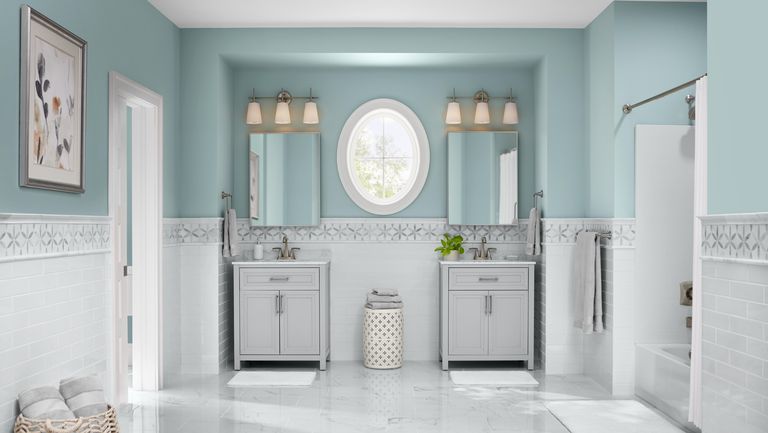
12 Small Updates With Big Impact in a Bathroom

12 Small Updates With Big Impact in a Bathroom

These mini makeovers are the easiest, breeziest ways to refresh your space.

Leveling up your bathroom might sound like a huge undertaking, but the truth is, giving this space a new look you love doesn't have to mean a major reno — or maybe even any reno work at all. (And how nice would it be to get ready every morning with better lighting or an uncluttered countertop?)

The key is to focus on little switch-ups that make a surprisingly big difference and to rely on a solid all-in-one source, like The Home Depot, where you can find all the elements you need to pull it off: vanities, cabinets, lighting, hardware, accessories, and more. Still not sure you’re ready for a revamp? These 12 easy ideas will inspire you to spruce up your space.

Go for the Bold

Your vanity is the visual focal point of any bathroom (and key to your grooming and storage needs), so it deserves to be a truly standout piece. Consider a sleek floating version for a modern, boutique-hotel look, or choose one with a brightly colored finish as an unexpected statement piece in the room.

Get Reflective

Here’s a no-fail way to add instant sparkle to your space: Trade out your tired medicine cabinet for a pair of clean-lined mirrors above your vanity. (The supplies you stored there can find a new home in the cabinet below, in stackable organizers to max out that space.) Keep the room’s look cohesive by opting for mirrors with frames in the same finish as your lighting fixtures and hardware.

Brighten Things Up

Sconces on either side of your medicine cabinet or mirror will illuminate your vanity and mirror area evenly — no unflattering overhead shadows! — and give the bathroom an updated look too. If you want to avoid electrical wiring, go with plug-in versions.

Refresh Your Walls

Want the chic look of tile but not the tricky DIY work that goes with it? Bring in peel-and-stick wallpaper that looks just like tile but takes a lot less time and effort to install. Bonus: It’s a simple element to switch out later if you decide you want to change things up.

Amp Up an Alcove

Retiling an entire bath is a chore — and potentially a hefty expense — but spotlighting a smaller area with a special tile treatment? Way more doable — and a great way to get a custom look. Find step-by-step advice right here.

Try a Little Rustic Charm

Few things warm up a space the way wood elements can. That’s why a vanity, mirror, or storage piece in a wood finish can be the ideal cozy counterpoint to a bathroom’s smooth, cool surfaces (like tile, porcelain, metal, and glass). Just be sure the pieces you pick are finished with a treatment that withstands water exposure.

Freshen Up Your Fixtures

A hardware update is low-hanging fruit — swapping out your old or mismatched towel bars, toilet paper holders, robe hooks, and other fixtures for sleeker styles in the same finish is one of the simplest moves you can make to streamline your space. Tip: Measure your old hardware first so you find replacements that won’t require you to drill new holes.

Elevate the Essentials

Because a bathroom is typically a small space, every element within it is important — and each one contributes to the room's overall aesthetic. That means that upgrading even your most basic accessories, like a trash can or tissue box, can give your space a higher-end vibe. Your best bet? Look for clean-lined pieces that play up your personal style.

Change Up Your Wall Color

White may be the most popular pick for a bathroom, but painting the walls a fun or dramatic color can be a beautiful option too. You’ll want to find a shade that makes both the room and you look good, of course. (Keep in mind: peachy shades are considered universally flattering, while a fresh blue-green can feel invigorating.) The Home Depot’s Project Color App can help you find, and virtually try out, your just-right hue.

Swap Out Your Towels

Even the most striking bathroom comes off as lackluster when the towels are tattered. When in doubt, spring for a fluffy new set in bright white, a soft neutral, or a richly saturated shade – or go with a mix of patterned hand towels and solid bath towels.

Think About the Big Picture(s)

Without framed photographs or prints, a bathroom can feel cold and impersonal. Choose images that make you feel soothed and happy – it’s your sanctuary, after all — and if you’re looking to give a big mix of artwork a cohesive look, hang them in matching frames.

Sprinkle in Some Finishing Touches

A carefully curated grouping of countertop accessories gives your bathroom a polished, pulled-together look. And there’s no need to be a pro at styling a vanity surface — you can't go wrong with a matching set in rich bamboo or sleek ceramic.


Source: Goodhousekeeping.com by Diane Conrad https://www.goodhousekeeping.com/home/renovation/a38518099/12-small-updates-with-big-impact-in-a-bathroom/

April 11, 2022

10 Gardening Hacks That Save Money, Time, Messes, and More


Think you’ve got a black thumb, and no amount of gardening advice can help keep your plants from meeting untimely demises?  We’re here to say that growing flowers and veggies is definitely an art, but it’s one you can learn fast with a few shortcuts—aka gardening hacks.  Here are some of the best gardening tricks of the trade approved by experts who say they really work. And the best part? Many of these ideas use home goods that you’ve got lying around the house already.

1. Fill your planters with bottles and cans to save dirt

Ever wonder how those ginormous planters get filled? Sure, you could use a 50-pound bag of pricey potting soil to get the job done, or you can try an easier, less expensive, and more environmentally friendly approach.  The trick here: Fill the pot about two-thirds of the way with cans or plastic bottles from your recycling bin, then pile the dirt on top. This way, you use far less costly soil from the garden center, plus you improve the aeration and drainage at the bottom of the planter. Oh, and you can move it around your patio more easily, too.

2. Divide your bulbs in half for more flowers

This one’s a two-fer: You can double your garden’s beauty and save money simply by dividing annual bulbs. (Tulips, irises, and daffodils are ideal for this.)  “When you see your flowers aren’t producing the way they used to, yank them up and then carefully pull the small, offset bulbs away from the base of the plant,” says Susan Brandt, master gardener at Blooming Secrets.  Plant these new bulbs, plus the original one if it seems in good shape (it’s worth planting again if the base is firm to the touch), and you may double your blooms without spending more money.

3. Take your soil’s temperature with a kitchen thermometer

That oven and grill thermometer isn’t just for your barbecues and Thanksgiving turkey. Yup, you can actually stick it in the dirt to determine whether your soil is warm enough (meaning above freezing) for planting. A standard meat or digital thermometer will work as long as it tests colder temperatures in the 40-degree range, says Brandt.

4. Line pots with coffee filters for easy repotting

Transferring plants to new pots or into the ground is a tricky project. The reason? Dirt can drop all over when you try to lift them out, and disturb their delicate root system. The fix here is run-of-the-mill coffee filters.  Place one at the base of your pot, fill with dirt and plant your seeds or plants right in this paper nest.  “And when you go to repot it, lift up the filter gently and evenly so it keeps loose soil from spilling on your workspace,” says Brandt.

5. Use zip or twist ties to keep climbing vines in place

A gorgeous grid of climbing clematis or other vines is easily achieved by grabbing a few twist ties (the ones that come with loaves of bread). Secure the vine stems to a wire backing, fence, or post, and you’ll be able to arrange the growth in any way you like.

6. Crush egg shells and mix with your soil

This gardening hack has some science behind it.  “Eggshells are an excellent source of calcium, and you can use them as fertilizer in areas with clay soil,” says Brandt.  When planting, add a little pulverized shell to each hole, suggests Oscar Ortega, maintenance care manager at FormLA Landscaping. These delicate wonders also contain potassium, magnesium, and phosphorus, which can help perk up house plants, too. (Sprinkle some in the dirt every couple of weeks.)

7. Fill an over-the-door shoe holder with plants

An old shoe holder is easily made into a pocket planter for succulents, ivy, or any perennial you want to showcase. Poke a few small holes in each section for drainage, add dirt and plant seedlings or small plants, and then hang it on a fence, shed wall, or any exterior door that gets good light.

8. Insert plastic utensils to scare off critters

Brandt isn’t sure why this one works, but theorizes that this small army of plastic forks standing sentry in the soil scares off rabbits and birds since it looks so unfamiliar to them. Save a few from your next picnic and try it!

9. Pour vinegar on weeds

Who doesn’t have a cabinet full of random vinegar bottles? The acid in this pantry staple kills weeds like dandelions, so douse a bit on each garden offender. You’ll have to put up with the sharp scent for a little while, but it’s a fair trade for weed-free flower beds.

10. Trap slugs and pill bugs in beer

While you might hate to share your suds this way, by putting a small dish of PBR near your plants you can catch and kill slugs and other slimy bugs. The reason: They’re attracted to the sweet odor of beer—and when they get close to it, they end up drowning. RIP!

-----

Jennifer Kelly Geddes creates content for WhatToExpect.com, the National Sleep Foundation, American Airlines Vacations, Oxo, and Mastercard.  Source: Realtor.com


March 21, 2022

Here’s Your Pre-Spring Outdoor Cleanup Checklist

Make these easy fixes to your exterior areas now so you're ready to enjoy leisurely dinners on the deck later.

Even if you didn't get any snow, winter can do a number on your home. Once the cold weather tapers off and the ground starts to soften, it’s time to get out there and set things up for spring. Oh, and we’re not talking about superficial tidying up, btw. Keeping a list of yearly maintenance check-ins not only makes your house and outdoor spaces look good: It helps prevent larger (and more expensive) home repairs down the line—a win-win.

Check out our list of pre-spring must-dos below, jump on these tasks now, and cruise into spring and summer without a sweat.

Update Your Gutters

When leaves and debris build up in your gutters over the cold months, it can cause trouble. It creates a breeding ground for rodents and pests, but that's honestly the least of it. Overflows and water buildup caused by overstuffed drainage can lead to interior and exterior damage that could cost thousands in repairs. Instead, replace old-school gutters with a seamless, LeafGuard Gutter one-piece system designed to help prevent all of the above. The brand is so confident in their Good Housekeeping Seal-vetted gutters that if they somehow clog, they guarantee they’ll come and clean them for free.

Scrub the Siding

Dirt, grime, mold, and mildew build up on your siding over time, particularly when the weather is wet. Yes, it’s a bad look but more than that, it can eat away at the very stuff meant to protect your house. To prevent that problem, clean siding at least once a year. For both wood or vinyl, use a non-bleach cleaner with a bristle brush. Start from the top and work down to keep dirt from running into already cleaned sections.

Shore Up the Roof

Losing a shingle here and there might not seem like a big deal, but even one gap could allow water to make its way into your home. If left exposed for too long, it seeps under the remaining shingles and rots them away or, worse, works through your ceiling and straight through to the interior. For this, it’s best to keep spare shingles that match on hand to give to your handyman for quick repairs so everything looks uniform while they open potentially harmful gaps.

Give the Furniture a Once-Over

Outdoor furniture can be tough, but it isn’t indestructible. Start the season by making sure your all-weather pieces—whether they're wood or metal—survived storage. From there, scrub away any dirt and dust. Thankfully they are all relatively easy to clean with a bristle brush and a combo of warm water and dish soap. Let them dry completely to prevent rusting or rot—then take a seat.

Make Your (Flower) Bed

Before it’s warm enough to plant, remove dead leaves, plants, and sticks from your flower beds. First gently rake them out, then use a shovel to work organic compost into the top layer and any holes that opened up during the wet months. Do the same with your flower plots and wooden planters. It’s also an ideal time to take stock of where you have room to add new varietals, since plants are dormant or at their puniest now. Mark where perennial bulbs are planted to avoid accidentally digging them up.

Check the Decks

And inspect the patios too for that matter. Catching and replacing loose boards, pavers, or rotting wood or metal railings is easier than leaving them be and then having to have a contractor come out in a few years and replace the whole thing (and preventing tripping hazards.) Nailing in a new piece of wood stained to match or securing a loose patio stone with polymeric sand are little fixes that can go a long way to keeping it all level and safe.

Screen the Screens

Did you leave the removable screens for windows and doors in all winter? Forget to clean them before you put them away? It’s fine. Just use a vacuum with a soft bristle attachment to get off any loose dirt or pollen. For more stubborn gunk, gently rinse with a hose and scrub with a soft bristle brush and a combination of warm water and an all-purpose cleaner. Prop the screens up vertically to help them dry faster.

Tool Time!

Take inventory of all of your essentials. Is your hose in proper working order, are your shovels and metal tools clear of rust, do you have all of the gardening supplies you need? Buying replacement items you might need early can save you money. But before you spend on new metal tools to replace rusty ones, try cleaning with a remover like oxalic acid (use according to instructions) to get them back in shape and safe to use.

Lighten Up

Remove cobwebs and clean glass covers surrounding any outdoor light fixtures. Also, be sure to check that your bulbs are in proper working order. When possible, replace outdated bulbs with longer-lasting LEDs—it may save you money in the long run and means you may not have to replace them for years.


Source: Goodhousekeeping.com by Caylin Harris. Caylin Harris is an Emmy-nominated producer, writer, crafter, stylist, and branded content creator.

https://www.goodhousekeeping.com/home/gardening/g38225202/heres-your-pre-spring-outdoor-cleanup-checklist/

March 7, 2022

How Long Does It Take to Build a House?

How long does it take to build a house? It’s a question often posed by people looking to buy an idyllic piece of land so they can construct their dream home from the ground up. If this describes your current housing situation, you’ve come to the right place!

So before you invest in that spacious lot with stunning views and mature trees, it’s wise to consider the time it’ll actually take to build the place you’ll be living in—especially considering supply chain issues and overall construction delays caused by the COVID-19 pandemic, which are expected to last through 2022.

How long does it take to build a house?

In a perfect world, depending on the site and zoning classification, it typically takes from three to six months to build a house. However, given the current state of supply chain slow-downs, labor shortages, and increased building demand, it’s more realistic to factor in a few months of delay.

The U.S. Census Bureau’s most recent 2020 data from the Survey of Construction estimates approximately 6.8 months as the average length of time from start to completion of new privately owned residential buildings. That number rises to nearly 12 months for owner-built houses, and falls to just under 6 months for build-for-sale homes.

Depending on U.S. location, the average build times increase and decrease. For instance, houses in the northeast are averaging 10.7 months, while construction in the south is at about 5.9 months.

No matter your location, the key to any successful new home building project is having approved house building permits, a process that can take a long time in some areas. So plan ahead. The biggest obstacles to obtaining a new home permit are poor due diligence, neighbors who oppose construction, and a backlog at the building department.

Main factors that affect how long to build a house

“Location and what I call environmental conditions can slow down or speed up a build greatly,” says Bill Green, president of W.R. Green Construction, a custom builder in Connecticut and Colorado.

What kind of environmental conditions? Factors such as soil type and site topography. For example, to construct a house with a slab on a level site with stable draining soil conditions is likely to take half the time it would take to construct the same house on a hilly lot. Building in a coastal earthquake or mudslide zone, or in a fire hazard zone, will also prolong the construction process.

Another major factor to consider in estimating the length of the process is how skilled the contractor is. An experienced new home builder will typically take less time to complete your new home.

Choose a contractor with a good reputation among the local municipality and real estate community. When issues arise, they’ll get taken care of quickly, says John Kuroda, manager at Sleight Farm, a subdivision of new-construction houses in LaGrange, NY.

What can increase the average time to build a house?

The overall time of a build usually depends on labor, supply chain issues, and weather conditions. Construction can easily be delayed by labor shortages, construction supply and building material hold-ups, and shifts in temperature or too much precipitation.

Other factors that can cause a delay? “The owners,” says Todd Whalen, owner and CEO of Eclipse Building Corp. Yes, that’s you!

If you delay in selecting finishes or decide to add change orders to your new home during construction, you can significantly prolong your construction time. As much as possible, stick with your home design—don’t tell your builder after the drywall is installed that you want the kitchen on the other side of the house, or a different floor plan altogether.

Real estate markets experiencing a building boom may also face a shortage of laborers and subcontractors—another thing that can lengthen the overall building time.

How to shorten the average time to build a house

Planning is far and away the most important way to shorten the building time frame, according to Green.

All the components of building a new house are interrelated, so if you plan the build, you can reduce the chance of delays and mistakes.

For instance, the thickness of the tile you select for a bathroom will determine the exact location of pipes that your builder must have in place before building your foundation.

Make sure you understand the lead time on products such as windows and doors in order to have them on the building site when they are needed.

During construction, an extra few weeks waiting for something can delay your timeline. Having all the different work crews—electricians, plumbers, HVAC specialists, etc.—working as promptly as possible in the building process helps speed everything up, too.

You should hold the builder accountable, by including a penalty in your contract if the builder misses the agreed-upon completion date, says Jesse Fowler, president of Tellus Build.

Being active and staying on top of things throughout the building process—such as scheduling weekly site walks to check on progress—can help keep everything on track.

Feb. 21, 2022

How to Buy and Sell a Home at the Same Time—Without Losing Your Mind


Ah, to be a first-time home buyer again: How easy it was to buy a home when you weren’t carrying another mortgage on your back at the same time!

If you’re looking to graduate from first-timer to repeat buyer, you know things are about to get much trickier. Unless you’re a bona fide house collector, you’ll have to sell your home in order to buy anew—adding a whole separate layer of anxiety to what you already know is a stressful home-buying process.  In an ideal world, you’d buy a new home, move, and then, when all the dust settles, deal with the turmoil of selling.  But for most people, that’s totally unrealistic. Not only does it cost a lot, since you’ll be paying two mortgages at the same time, but sellers of your potential new home might be quick to judge if you’re holding on to your current home. Drew Snyder, a Realtor® with Snyder Sutton Real Estate in Topanga, CA, says one of his clients had difficulty getting sellers to “take them seriously unless the house was on the market or in escrow. As soon as we put it on [the market], they were considered as serious buyers.”  So, while shopping for a new home and selling your current home at once may sound like a real estate nightmare, it may be your best option.

Here’s what you need to know to make sure both processes go as smoothly as possible.

Know the market first

Before you start seriously searching for a new home—or put your current home on the market—make sure you have a solid understanding of the housing market in your area (and the area where you’re planning to buy).  Ask your real estate agent: Is the market weighted toward buyers or sellers? Only then will you be able to fully strategize. In real estate, your best plan of action may depending on whether sellers or buyers are in the more powerful position.

One way to play it safe is to keep your mind open to lots of buying options. If it’s a seller’s market, you might find that you’re able to get your home sold quickly, but that the homes you tour with your real estate agent just aren’t up to par.  If you can widen your search and find multiple homes you’re interested in, you’re less likely to find yourself in trouble if a purchase falls through—selling your current home won’t leave you stranded.  Another way to protect yourself is to hire an appraiser and price your old home fairly.  If it’s a buyer’s market, you have to know that your home has lots of competition. You may not have the time or energy to update your home, but one thing you can do is set a reasonable price that will get buyers interested.  Now is decidedly not the time for delusions of grandeur: Two extra months on the market because you couldn’t humble yourself to lower the price means two months that you’ll be paying double mortgages. Two very long months…

Plan your schedule carefully…

You might be asking: Should you try to buy first, then sell—or vice versa? Both have their risks and rewards.  Selling first makes getting a mortgage easier, but it also means you’ll need to find a temporary place to live.  Buying first means that moving will be easier, but it also skews your debt-to-income ratio, making it harder to qualify for a new mortgage—not to mention the difficulty of juggling two monthly house payments.  Your down payment can be difficult to come up with, too, if all your money is tied up in your old home.  “It’s walking a tightrope,” says Gary DiMauro, a Realtor in New York’s Hudson Valley. And he’s not just talking about scheduling: Your finances will be on the high wire, too.  When determining whether you should sell or buy first, think beyond “How can I make the move as easy as possible?” Instead ask: “Can I handle two mortgages? What if my home sells for less than its listing price?”  Whichever option you choose, make sure you’re prepared to accept the consequences: either having to store your stuff and rent temporarily, or undergoing the financial burden of dual mortgages.

… but don’t rely on timing

When buying and selling a home simultaneously, “There are so many external circumstances,” says DiMauro. “I’ve yet to see it really work smoothly and efficiently.”  

Remember: You’re not the only party in this equation. For every seller there’s a buyer, for every buyer a seller.  While things might appear to be working smoothly when viewing your master plan from above, that doesn’t take into account the varying fortunes of the people you will be working with.  Closings are rife with delays. Your buyers might have difficulty securing their mortgage; your home inspector may bring up issues that need to be fixed before you can move in.  “You’re relying on the seller of the place that you’re buying to be ready to move, in concert with the buyer of your house,” DiMauro says.  So even if you’ve planned to sell your home first and are prepared to rent while buying, know that even the best-laid plans go awry—and that you might end up juggling both mortgages. Preparing yourself for this (however remote) possibility ahead of time will ensure a smooth transition.

Know your financial solutions

For those who choose to sell first, the process is relatively straightforward: taking on the additional cost of a rental between homes.  However, you might want to consider the option of a rent-back agreement, where you negotiate with the lenders and buyers to be able to remain in the property for a maximum of 60 to 90 days—often in exchange for a lower selling price or for rent paid to the buyers.  This can relieve some of the pressure of finding a new home, giving you additional time to house hunt.  But if you’re buying first, talk to your Realtor about ways to decrease your financial burden and risk. Here are the two most popular options for buyers:

  • Contract contingency: Buyers can request that their new home purchase be dependent on the successful sale of their old home. If you’re looking in a competitive market, this may not be a good option. However, if the seller of your intended home has had difficulty attracting interest, this may be a good deal for all parties involved—assuming that you can persuade them that your home will sell quickly.
  • Bridge loan: A bridge loan allows you to own two homes simultaneously if you don’t have deep pockets for a second down payment. This option is especially attractive if you’d planned to sell your home first and use the proceeds to buy the second. It functions as a short-term loan, intended to be repaid upon the sale of your original house.

Don’t let fear rush you

If your home has sold but you haven’t found a new place to live, don’t let anxiety push you toward a bad decision.  DiMauro usually recommends that his clients preemptively plan on a short-term rental “so they don’t feel stressed or pushed into something that they would not normally be interested in,” he says.  “They shouldn’t make a purchase because they felt like they were pressured from the time constraints.”  Found the perfect home right on schedule? That’s great. But don’t feel that you have to compromise on things that are important to you just because you need to find a home.  Conversely, don’t accept a bid that you feel is too low just because your finances are strained by two mortgages. If you have a temporary apartment set up, you’re less likely to compromise.  Certainly, selling and buying a house simultaneously will be stressful—but carefully considering and planning for the risks and hurdles can mitigate the stress.

-----

Jamie Wiebe writes about home design and real estate for realtor.com. She has previously written for House Beautiful, Elle Decor, Real Simple, Veranda, and more.  Source: Realtor.com


Feb. 7, 2022

Will Home Prices and Rents Finally Fall? Our Bold Predictions on Real Estate in 2022

Here’s what we already know: Since the COVID-19 pandemic began, the real estate market has been on a wild ride of unprecedented highs and lows—record-high home prices on one side, record-low mortgage rates and available homes for sale on the other. It’s been a time of overwhelming stress for many, gigantic profits for some, and great disorientation for most of us.

Now the housing experts say the market is “normalizing.” But what does that mean? Will home prices and rents finally come down? Will more homes go up for sale? And what does the year ahead have in store for the real estate market?

The Realtor.com® 2022 housing forecast anticipates the market will continue slowing down from the frenzy seen in the spring when prices shot up to new heights. However, prices will stay high, inventory will remain tight, and mortgage rates will rise.

The bottom line: Even as the market calms down further, it’s still expected to be challenging for buyers, especially those purchasing their first homes.

“The 2022 housing market will continue to be a seller’s market with fast-moving homes and rising prices,” says Realtor.com Chief Economist Danielle Hale. “But the competition should be a bit less intense than we’ve seen recently.”

Home prices will stay high, but price growth will continue slowing

Home prices aren’t expected to keep zooming up into the stratosphere in 2022 the way they did this year. So buyers can breathe at least a shallow sigh of relief. Instead, Realtor.com economists anticipate they’ll increase at a much slower rate of just 2.9% over this year compared with an anticipated 12% rise in 2021.

This means the double-digit price growth that confounded buyers earlier this year is expected to taper off.

However, prices aren’t anticipated to come down from the highs they reached this year due to the continuing shortage of properties for sale and hordes of buyers continuing to enter the market. They just won’t go up so much as quickly.

“Price growth is expected to move back toward a normal range, but this is on top of recent high prices,” says Hale. “So prices will [still] hit new highs.”

While that’s not great news for buyers, homes aren’t expected to cost much more than they did just a few months ago.

“The pace of price growth is going to slow notably, bringing it more in line with buyers’ incomes,” says Hale. “With prices high and mortgage rates beginning to tick up, people won’t be able to be as aggressive in what they’re willing to pay.”

Not many more homes are expected to go up for sale

Unfortunately, for frustrated buyers who have had trouble finding the right homes in the right locations at the right price, there isn’t expected to be a rush of homes hitting the market.

Realtor.com economists predict the number of homes for sale, which is hovering around record lows, will tick up only 0.3%. That’s partly due to builders having a tough time ramping up construction as they contend with shortages in workers and materials, compounded by the global supply chain backups. (Single-family housing starts, which is when builders start construction, is expected to rise only 5% next year.)

There are plenty of investors snapping up single-family homes and turning them into rentals. And there is no tidal wave of foreclosures expected to hit now that the government moratoriums are expiring.

There are also more homebuyers today than there are abodes for sale.

Millennials are a massive generation—next year, there will be more than 45 million millennials between the ages of 26 and 35, which are prime homebuying years. So there would need to be substantially more homes built to keep up with the needed housing—except builders stopped building during the Great Recession and there are fewer homes going up today.

“The shortage of homes for sale, that has been more than a decade in the making, will keep home prices high,” says Hale.

Sales will also continue to climb, hitting a 16-year high as they go up by 6.6%, Realtor.com economists anticipate. That’s partly because technology has sped up the homebuying process. Plus, buyers are jumping on whatever comes up for sale in record time before the property is snapped up by another eager buyer.

Attractively priced homes in good shape are expected to continue going under contract quickly. “Homes are selling so much faster than they have in any previous [years],” says Hale.

That speed supports increased housing turnover as more abodes change hands as folks move into their first homes or relocate, trade up into larger residences, and downsize.

The popularity of the suburbs is also likely to endure. They emerged as the places to be during the pandemic as buyers could score more square footage and bigger yards for less money than in the bigger cities. “For years, we heard about the dying suburbs because millennials didn’t want to live there, but as they age, guess where they’re heading?” asks Hale.

Some were even moving to the burbs before the pandemic.

“This budding trend was accelerated by the needs of aging millennials, often with families, trying to grapple head-on with the realities of doing more than ever before from home,” says Hale.

Remote work will also likely be a factor. With more workers telecommuting or going into the office only a few times a week, they don’t have to contend with grueling commutes five days a week. Many are more comfortable moving farther outside of the cities where they can get larger abodes with room for a home office at an attractive price.

That’s likely to keep prices high in desirable communities.

“Shoppers were looking for affordable homes with space that could be used flexibly to accommodate working, schooling, exercising, cooking, and all of the other living and relaxing we used to take for granted,” says Hale.

It won’t be easy for first-time homebuyers

First-time buyers are likely to continue struggling to compete with the offers over the asking price and win the bidding wars.

The ace in their pocket is the work-from-home phenomenon that has allowed many white-collar professionals to work from anywhere they have a strong Wi-Fi connection. So they may be able to relocate to cheaper destinations that make up for what they lack in Michelin star restaurants with more affordable home prices.

“Maybe they’re not buying a home in or near a major city where prices are high and the market is still competitive,” says Hale. “But they can move farther away from the city to the suburbs or to an entirely new city where it’s more affordable.”

The savings many who held on to their jobs were able to amass early on in the pandemic—when the stimulus checks went out and many folks cut back on dining out and traveling—may help them with the down payments. Some buyers temporarily moved back home with families or doubled up with friends to save on housing costs as well.

“I know a lot of people are expecting housing prices and sales to peak and then decline. Instead, I think there’s enough momentum from these younger buyers who want to get into the housing market to keep sales moving forward,” says Hale. “They are going to succeed because that drive to buy a home and make it happen when you’re ready is really strong.”

Mortgage rates will continue ticking up

Mortgage rates have been the wild card to the housing market during the pandemic. Low rates at the start of COVID-19 helped fuel dizzying price jumps as buyers could afford to spend more on homes. That’s because they were paying less interest each month so they could absorb the higher home prices.

However, as the economy has improved and inflation has risen, making everything from a dozen eggs to a gallon of gas more expensive, rates are also expected to go up. That could help curb the runaway price growth that was seen in the spring. Buyers can stretch their budgets only so far.

Realtor.com anticipates mortgage rates will rise to an average 3.3%, hitting around 3.6% by the end of 2022. That’s up from a low of 2.65% in the first week of January for 30-year fixed-rate loans, according to Freddie Mac data. While that doesn’t sound like much of a hike, it adds up.

The difference of roughly a percentage point to 3.6% would result in about $157 extra tacked on to the monthly payment of a median-priced home of $380,000. That can total more than $56,500 over the life of a 30-year loan. (This assumes the buyers put down 20% and does not include property taxes, insurance costs, or homeowners association fees.)

It’s also likely to result in homebuying becoming even more expensive. With home prices continuing to tick up a little and rates increasing, those purchasing a home with a mortgage will wind up shelling out more each month.

Rents will keep shooting up higher than home prices

It isn’t just homebuying that’s gotten more expensive. Rental prices have been soaring, and tenants aren’t expected to get any relief. Prices have surged and are expected to continue rising by 7.1% in 2022.

At the beginning of the pandemic, as home sale prices spiraled, rents in many of the big cities dropped precipitously. Many tenants moved to larger, nicer apartments with more amenities at deeply discounted rents. Then this year, they were hit with steep increases even in smaller, more traditionally affordable cities and suburbs.

The culprit behind the price hikes: There simply aren’t enough homes to go around—for rent or sale. Many aspiring homebuyers who keep losing bidding wars or can’t afford high homes prices are stuck renting. Plus, there are plenty of folks who moved in with family and roommates or split up with their partners during the pandemic who are looking for their own rentals.

“With apartment vacancies still near historic lows and landlords making up for lost rent increases during the pandemic, rents are expected to continue to grow,” says Hale.

Clare Trapasso is the deputy news editor of Realtor.com. She previously wrote for a Financial Times publication, the New York Daily News, and the Associated Press. She also taught journalism courses at several New York City colleges and obtained a real estate license. Contact her at clare.trapasso@realtor.com.

Source:Realtor.com

Jan. 24, 2022

4 Essential Tips for Updating Your Kitchen Countertops

Countertops can make or break a kitchen. Over time, any well-used work surface for meal prep, dining, and cleanup endures normal wear and tear. But if your countertops have seen better days and you’re feeling stuck in a kitchen design rut, it might be time for an upgrade.  “Countertops play an integral part in a kitchen’s aesthetic and functionality,” says Young Huh, a New York City–based interior designer. “It’s an update that instantly modernizes the look of the room and can truly change how you cook and enjoy the space.”  Think you’re the only one mulling over a kitchen countertop revamp? Think again. In a recent kitchen trends survey by Houzz, countertops came in as the most popular feature renovating homeowners plan to upgrade.  If you’re ready to upgrade your kitchen countertops but have no idea where to start, the following must-know tips will point you in the right direction.

1. Prioritize zero-maintenance materials

For red wine and coffee lovers or home chefs who cook frequently with olive oil (which can wreak havoc on natural stone), experts suggest opting for engineered stone countertops that are resistant to damage and stains.  “Zero-maintenance surfacing is a top client request for both kitchen and bath updates,” says Huh. “They want a surface that captures the drama of natural stone without the constant sealing and upkeep.”  And amateur cooks aren’t the only ones who see the value of engineered stone. ChefThomas Keller selected Dekton for kitchen countertops when he renovated his flagship restaurant, the French Laundry, in Yountville, CA. Culinary influencer and cookbook author Amanda Frederickson selected Silestone for her Nashville, TN, kitchen.  “When we began planning the kitchen renovation, I initially considered marble because I love its texture and feel,” says Frederickson. “But then I realized for someone who cooks as often as I do, it would have been a mistake. They would have gotten stained from accidentally dropping acidic food on them or chipped with all the pots and pans that go through my kitchen.”  Kevin Busch, vice president of operations for Mr. Handyman, says granite kitchen countertops are currently among the most popular.  “These countertops can be customized to fit the unique look and feel of your kitchen,” he says.  Busch says they rank high in durability, last long, and maintain their original look. Costs typically range from $50 to $80 per square foot but can be more costly with more exotic slabs.  For a marble look without the hassle, Huh recommends and also uses Et Calacatta Gold from Silestone or Dekton Aura 15. Huh says both are durable, require no sealing, and have low or zero porosity.  “You can truly live in the space without worry of stains from everyday use,” says Huh.

2. Mix, match, and get moody

Homeowners nowadays aren’t afraid to play with color and are even willing to take their countertops to a darker, more dramatic place.  “While white may be a safe mainstay when it comes to kitchen design, many of my clients have been turning toward warmer, darker hues in their kitchen palettes,” says Richard T. Anuszkiewicz, an interior designer in Nashville, TN. “I love this pivot as it naturally brings a distinctive element to the space.”  Two of his favorite countertops are Dekton Kelya and Dekton Laurent.  Busch says wood typically isn’t the first material that comes to mind when thinking about kitchen countertops, but “a high-quality wood can create a stunning, vibrant, and long-lasting countertop.”  Pricing can range widely, depending on wood type, but Busch says butcher block countertops tend to range from $30 to $85 per square foot for materials only.

3. Keep countertop trends in mind

Trends rise and fall so you never want to fill your kitchen with design choices that’ll age poorly. But there are some current countertop trends that experts believe will stand the test of time.  Huh loves the cohesive look of matching the countertop material with the backsplash. “It creates a very clean, European style that’s emerging in the U.S. market,” she says.  If you have the space, go for a waterfall-edge island like the one in Frederickson’s kitchen.  “It’s full of drama and instantly pulls your eye into the space,” says Huh. Frederickson also used the quartz surfacing as a backsplash, and topped it with a shallow shelf to keep spices nearby while she cooks.  Experts also advise homeowners to look at the thickness of the countertop they’re buying and stick with slimmer formats. Typically, a thinner the countertop will be more affordable and easier to install.

4. Go eco-friendly

“More and more of my clients are prioritizing eco-friendly materials with smaller carbon footprints,” Huh says. For homeowners seeking such countertops, there are a variety of options out there.  Silestone, for example, offers an engineered quartz that is produced with 100% reusable energy.  Busch says countertops made of recycled glass and cement can be a great way to add a clean, industrial, durable surface to a kitchen. This type of countertop costs about $100 to $160 per square foot.  “Sturdy and visually appealing, this countertop material can be customized and is a top choice for those seeking a green alternative,” says Busch.

-----

Author: Anayat Durrani is a freelance education reporter for U.S. News and World Report. Her work has been featured in Military Officer, California Lawyer, the American Scholar, and PracticeLink magazines.  
Source: Realtor.com
Jan. 10, 2022

Color Trends 2022 & Color of the Year: A Complete List

Chances are, your living room is one of the most frequented spots in your home—and with good reason. It's a spot where you can entertain friends and family, or just kick back and watch TV on your day off. Naturally, the color palette you choose for this space is crucial, as you want to make sure it's something that's relaxing and inviting, but not lacking in eye-catching design. As we approach 2022, it's time to get a head start on 2022 living room color trends, so House Beautiful spoke to nine designers to get the low down. The good news? Their answers run the gamut—touching on everything from subdued pops of color to various shades of white—meaning there's certainly timeless-yet-of-the-moment inspiration for homes of every style.


1. OLIVE GREEN

Cecilia Halling, Creative Director at Elicyon, says colors like honeycomb, lilac, zesty curry lime, olive-yellow, dark navy, cherry and maple will be in vogue in the new year. As part of a recent project for a client, Halling incorporated an acid yellow high gloss lacquer, which she describes as "leap[ing] from the interior of the bespoke dining room drinks bar whenever the doors are opened. It’s the most exciting of surprises." If you need more proof that greens of every hue are on the rise, look no further than the 2022 Colors of the Year from Behr, Benjamin Moore, Sherwin Williams, and PPG.


2. PURPLE HUES

"A key color trend to note is the rise of lilac in our living spaces," says designer Katherine Cohen. "As a gentle, welcoming hue, lilac will be a trending color over the next year in interiors. For playful yet creative spaces, lilac adds bright energy to any space." Just look at this cool hangout with a lilac rug from Flor.


3. SHADES OF WHITE

....but don't let that focus on purple convince you the most popular neutral is "over." Architect and designer Amanda Gunawan of OWIU Studio finds that neutral colors will take over living rooms in 2022, like Sherwin-Williams' White Flour and Benjamin Moore's Swiss Coffee—at least in certain multifunctional rooms. "With so many people working from home, many former single-use living rooms have been transformed into part-time or transitional work spaces during the day; therefore, I suspect that living room colors will continue to veer neutral, as they create a sense of light and clarity while encouraging functionality," explains Gunawan. "Many of us are still spending more time at home, and our spaces should create a sense of calm."


4. EARTHY TONES

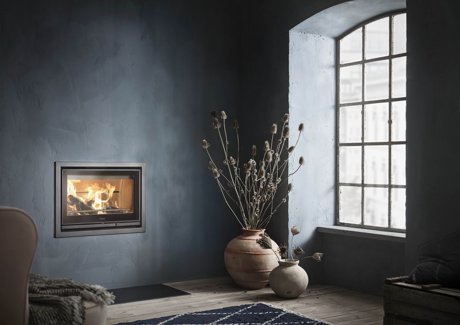
"With an ever-important focus on relaxation and wellness, for 2022, we’re forecasting interior color trends that both combine and reinforce our connection to nature and instill a sense of cozy comfort in the home," says Catharina Björkman, Scandi lifestyle expert at Contura. "Think earthy tones like hazy greens, soft and timeless blues, soothing sandy greys, and warming muted blush hues. These nature-centric tones give a calming, serene feel to a space," she adds.


5. CRIMSON RED

Speaking of nature-centric, a "rich and earthy crimson shade is absolutely gorgeous and will bring a touch of maturity and glamour to any room," declares James Waylett of Jacobs & Dalton."This unique shade perfectly ties in with the whole color palette and will be the staple shade to carry through into the autumn months. We think this indulgent shade would be perfect for master bedrooms or to create an accent wall in a home study or living space."


Mary Elizabeth Andriotis is House Beautiful's Associate Editor, where she covers historic homes, entertainment, culture, and design.

Source: housebeautiful.com