Welcome to our BLOG - Community News, DIY, Maintenance Tips and Information for Sellers & Buyers

Oct. 10, 2022

So, Where’s the Tub? A Close Look at the Dumbest Bathroom Trend to Date


Tune in to HGTV these days, and it’s more than likely you’ll spot some flipping duo ripping out a home’s humble bathtub to make space for a large, luxurious shower.


This got me wondering: Why?


Sometimes, these flippers go so far as to remove the only tub in the house, all for the sake of a spacious shower. I was truly baffled. For starters, what about the hordes of homebuyers with young kids? You can’t very well bathe a baby in a shower.


And while most adults might shower more often than they bathe, I, for one, enjoy sinking into a tub on occasion. And I’m hardly alone. A recent survey by Bath Fitter found that around half of Americans take a bath at least once a week, and that 54% would bathe more often if they had the time.


Because let’s admit it, a long soak is a beautiful thing. Why remove that possibility from your house?


Apparently, flippers have their reasons.


Why banishing the tub from the bathroom is a big trend

I get it from an aesthetic point of view: There’s nothing glamorous about a workaday tub with a ho-hum curtain pulled across it—or worse, a shower door with dated, opaque glass that rattles on the track.


“A walk-in shower turns a bathroom from an eyesore room into one that’s more aesthetically pleasing,” says Kara Harms, a design blogger at Whimsy Soul. That luxe spa feeling you get when you’re at a fancy hotel is exactly the vibe that folks want every day, especially after a years-long COVID-19 pandemic and other grave uncertainties in the world.


For flippers, the drive to remove tubs is all about the money, honey.


“Flippers know that a large, well-designed shower is more of a selling point than a master tub with a small shower or a shower-tub combo,” explains Briana Ellis Hoag, owner of Ritual Architecture.


“Bathroom remodels usually have the highest return on investment in a home, and a big shower can help your home’s resale value,” adds Carolyn Gagnon, a real estate agent with Compass in New York City.


And while families might be turned off by no tub, that’s OK, since many flippers are more interested in attracting buyers who are either younger (who don’t need a tub) or older (who don’t really need a tub either) and wealthier to boot.


“People who are remodeling homes, though specifically flippers, are keen to remove tubs because of how they perceive their target buyer,” says Hoag.


But it’s not just the moneyed set that expects to see the “shower only” amenity.


“There’s also a good portion of homebuyers in the midrange market that don’t utilize tubs, especially in the master bathroom,” continues Hoag. “They’d rather have that space for a large shower that’s used on a daily basis.”


Another perk to showers? They’re better for older folks.


“Walk-in showers are rising in popularity because they’re more accessible—a tub means you have to step in and out, which not everyone can do easily,” notes Harms.


We’re aging as a nation, with the number of folks aged 65 and older slated to more than double in the next 40 years, reaching 80 million in 2040. What’s more, many are choosing to age in place in homes that they then must retrofit to meet their needs. Swapping a shower for a tub fits perfectly into this trend.


But here’s why banishing the tub may be a bad idea

Yet many architects and real estate agents alike urge homeowners to keep at least one tub somewhere in the home for practicality’s sake.


“We always suggest keeping at least one tub in the house since it’s great for kids, grandkids, and pets and also for resale,” says Pamela O’Brien, principal designer at Pamela Hope Designs.


“I don’t think it’s wise to remove all the tubs from the bathrooms of the house, as there are many families entering the market with young children who will need a standard bathtub,” adds Hoag.


For homeowners who are determined to have their shower, there is a workaround.


“You can buy a shower tub for kids that goes on the bottom of the shower floor,” says Harms. That way, “there’s no need to build an entire room around bathing a child.”


Plastic tub inserts certainly do fix the problem. Still, this problem wouldn’t exist in the first place if you had just kept your tub.


If you’re willing to hold on to a shower-tub combo you own, there are other bells and whistles to consider in a bathroom remodel that could earn you back some money.


“Newer, high-end amenities like radiant flooring, vanity mirrors, better lighting, tiling, faucets, and countertops are just a few examples of additions that could bring more to your wallet,” says Gagnon.


I, for one, will never trade my tub, and chalk this up to a rage that, like so many others, will one day have multitudes shaking their heads and clucking, “Remove the tub! What were they thinking?”


As all trends tend to do, this one will eventually disappear down the drain of home design fads where, in my mind, it belongs.


By Jennifer Kelly Geddes

Source: Realtor.com

Sept. 26, 2022

Walkability As The Ultimate Amenity For Luxury Homebuyers

In American suburbs spawned in the post-war era, sidewalks largely existed for show. Everyone drove everywhere; few would have been caught dead walking. In such a municipality, it was implausible you’d make a new acquaintance on the street, unless you exchanged names, numbers and insurers after being involved in a fender bender.

Like artificial turf, Nehru jackets and eight-track players, that sensibility has been consigned to the dimming memories of aging Baby Boomers and their elders. For years if not decades now, walkability has been among prized amenities touted by developers of upscale communities. Placing schools, shopping, entertainment, work and recreation within walking distance not only enhances residents’ health, fitness and overall quality of life, but can actually boost the value of a property.

A recent Redfin study linked the Walk Score of a property to a direct increase in the price that house was able to fetch. Increasing a Walk Score from 19 to 20 brought average increases of about $180. But an increase in Walk Score from 79 to 80 was associated with a surge of more than $7,000 in property value.

The pandemic only served to hike the popularity of walkable communities, given their tendency to place residents in fresh air, and out of droplet-filled public buses and trains. What follows are sketches of a few newer developments whose creators clearly placed walkability among qualities they fervently wished future residents to savor.

Alina Residences Boca Raton

This wellness-focused development, nestled in downtown Boca Raton, has landscaped promenades that connect right into the energetic hub of that historic city. Royal Palm Place, Mizner Park, al fresco restaurants, high-end galleries and couture boutiques are all strolling distance, while the green scape of the Boca Raton Resort and Club golf course adds another opportunity for residents to accumulate their daily steps.

Mention single-family home living in a secluded setting, and many will conjure up images of a car-centric district.

Not so this community, tucked away at Sunset Blvd. and Olive Street in a location proximate to West Hollywood’s spirited vibe. Bordered by Beverly Hills to the west, the Hollywood Hills north, Hollywood east and Beverly Grove and the Fairfax District south, this enclave is woven into the storied Sunset Strip, priding itself on being steps from buzzworthy bistros, hip pop-up retailers and vibrant nightlife.

Springline, Menlo Park, California

Fully opening next year, this 6.4-acre connected community has been expressly designed to be a walkable city within a city. Situated next to downtown Menlo Park and a short walk from the Caltrain Station, Springline features hospitality-driven homes, creative offices, destination restaurants and outdoor experiences in the heart of the Peninsula.

Bloom on Forty Fifth, New York City

Buyers at this 92-residence condominium in the historic Hell’s Kitchen neighborhood will find everything they need outside their door. Moments away is the luxury shopping of Hudson Yards, the civic meeting place that is The High Line and the bike and running paths of Hudson River Park. Bloom on 45 is also proximate to Bryant Park and office buildings filled with internationally known employers.

Four Seasons Private Residences Nashville

Set right next door to Music City’s legendary, 6.5-acre riverside Cumberland Park, Four Seasons Private Residences Nashville puts residents within an easy walk of country music shrine Ryman Auditorium and the place where Nashville’s hockey team “paints the town Pred,” Bridgestone Arena.

Also near: the watering holes and 365-day-a-year music hotspots that line Broadway, otherwise known as the Honky Tonk Highway.

Anagram Nomad, New York City

This luxury rental development is located in the heart of NoMad, a cultural, commercial and entertainment mecca in the midst of Manhattan. Residents won’t be forced to erode much shoe leather stepping out to prized dining spots that include Scarpetta, ABC Kitchen and Gramercy Tavern.

By Jeffery Steele Source: Forbes - Real Estate 

https://www.forbes.com/sites/jeffsteele/2022/06/21/walkability-as-the-ultimate-amenity-for-luxury-homebuyers/?sh=1c5b57a34e1e

Posted in Real Estate News
Sept. 12, 2022

Short-Term Rentals Prove Ideal Complement To Remote Work

The Covid-19 pandemic and the emergence of short-term rental companies like Airbnb have given birth to a new breed of real estate. This fresh wave blurs the demarcation between hotels and homes, sparking developments designed from the ground up to serve dual purposes. On one hand, they meet the need for buyers seeking a getaway place in a sunny clime like Miami’s. On the other, they satisfy the desire of these and others to generate passive income by renting out the residences when they’re not there.

Among companies making a mark on the short-term rental market is WhyHotel, an alternative hospitality service provider that creates pop-up hotels in places like Miami. Company CEO and founder Jason Fudin calls the work-from-anywhere movement one of the most significant forces impacting real estate uses in a generation.

“We have seen the beginning effects first-hand with increased demand for short-term stay accommodations,” Fudin says. “Our apartment-style hotels have significantly outperformed traditional hotels during Covid, primarily driven by strong occupancy of 85%-plus throughout the heart of the pandemic.

“Consumers demand short-term accommodations that blend home and hospitality, especially as work-from-anywhere continues. For example, people travel for work and stay for fun, especially in Miami, New York and Nashville. And they are looking for apartment-style comforts plus hospitality-like services to support that lifestyle.”

Passive income

Flexible living lets residents have their cake while eating it too, says Nicholas Perez, vice president of Related Group, developer of District 225 Residences Miami, and The Crosby Miami Worldcenter. Many buyers at District 225 Residences Miami and The Crosby Miami Worldcenter arrived in the Magic City seeking an escape from winter and-or high tax states. They enjoy their residences while in Miami, but also relish the passive income cranked out by the units when they travel home to visit family.

“We’ve also seen many locals, especially a new generation of young, upwardly mobile professionals, as well as international buyers, jumping at the opportunity to own property in one of Miami’s fastest growing neighborhoods: Downtown Miami,” Perez says. “Some will opt to live in their units most of the time, like their Northeastern counterparts, while others are looking at this as more of an opportunity to get into the booming short-term rental business with none of the challenges that come with independently managing these types of assets.”

Clear demand

Folks who were highly mobile before the pandemic have become even more nomadic in its wake, adds Harvey Hernandez, CEO of Newgard Development Group, developer of LOFTY Brickell and Natiivo Miami and Austin. Remote work roles have also prompted mobility, and that’s triggered a feeling of unprecedented freedom to test out new and different lifestyles and cities, he adds. “This freedom provides buyers the unique opportunity to have their assets work for them when they want and as much as they want while they’re away,” Hernandez says.

“There’s a clear demand for flexible living and ownership in cities such as Miami, Austin, and others, which have proven to be business hubs and incubators alongside world-class entertainment, a rich culture, award-winning restaurants.”

Asked whether some short-term renters have been known to stay longer, Hernandez answers in the affirmative. He’s seen a surge in length of stay for short-term rentals, reflected in what he calls a “huge demand” for stays of 30 days and more, he says.

Soon, additional developments expressly designed for short-term rentals are sure to sprout, providing a bigger pie for those who want their cake and eat it too.

By Jeffrey Steele Source: Forbes - Real Estate

https://www.forbes.com/sites/jeffsteele/2022/06/21/walkability-as-the-ultimate-amenity-for-luxury-homebuyers/?sh=1c5b57a34e1e

Posted in Real Estate News
Aug. 29, 2022

How to Buy a Second Home (Hint: It Won't Be Like Your First)

How to Buy a Second Home (Hint: It Won’t Be Like Your First)

As a home buyer, you braved the real estate buying circus when you bought your first home, and you have a great place to show for it. You’ve trudged through the open houses, experienced exactly how stressful closing can be, and dealt with legions of moving trucks. And still, a part of you wants something more: an escape in the mountains, a beach cottage, or a pied-à-terre in the city. You want to buy a second home.


With current mortgage rates at a historic low, you might be tempted to jump in. But beware; buying real estate as an investment property or second home won’t be the same as your first-time home-buying experience. Here are some differences and advice to keep in mind.


First things first: Can you afford to buy a second home?

If you scored a sweet deal on a mortgage for your primary residence, don’t expect lenders to give you the same offer twice.

“Second-home loans generally require more down payment and a better credit score than owner-occupied home loans,” says John Lazenby, president of the Orlando Regional Realtor Association.

You may have to pay a higher interest rate on a vacation home mortgage than you would for the mortgage on a home you live in year-round, and lenders may look closely at your debt-to-income ratio. Expect a lender to scrutinize your finances more than when buying a single-family primary residence.

“Lenders look carefully to ensure that second-home buyers are financially capable of paying two mortgages,” Lazenby says.

Make sure to review your budget with a second mortgage payment in mind, and make adjustments if necessary after you know what interest rate you will receive. And make sure you can afford the real estate down payment—a healthy emergency fund and cash reserves are essential if an accident or job loss forces you to float two mortgages at once.

Evaluate Your Goals

Understand exactly how you plan to use the property before you sign on the dotted line.

“Buyers should consider their stage of life and that of their children to ensure they are going to actually use the home for the amount of time that they’re envisioning,” Lazenby says. “A family with young children may find that their use of a second home declines as the kids grow older and become immersed in sports.”

If you’re certain you’ll get enough use and enjoyment out of your new purchase, go for it—but make sure to carefully consider the market.

For most homeowners, a second home shouldn’t be a fixer-upper. Look for homes in high-value areas that will appreciate over time without having to sacrifice every weekend to laborious renovations on your “vacation home.”

Buying in an unfamiliar area? Take a few weekend trips to make sure it’s the right spot for you. In the long term, you’ll want it to be a good investment property, as well as a place to play. Pay close attention to travel times, amenities, and restaurant and recreation availability, otherwise you might spend more time grousing than skiing and sipping wine. And make sure to choose a knowledgeable local real estate agent who will know the local real estate comps and any area idiosyncrasies.

Understand Your Taxes

You may be familiar with a bevy of home credits and tax breaks for your first home, but not all of them apply to your second.


For instance: You might be planning on using your new home as a vacation rental when you’re out of the area. If that’s the case, you need to calculate the return on your investment property purchase price that you can expect over the course of a year. How much can you charge per night or per week for your rental property? How many weeks will you rent out the property? And what expenses will you incur?

“Property tax rules and possible deductions for second homes used as rentals are complicated and vary widely, depending on both the number of days per year that the owner occupies the home and the owner’s personal income level,” says Lazenby.

A vacation home offers more flexibility to buy based on your potential property tax burden—for instance, if you’re looking to buy in an area of high real estate taxes, consider widening your real estate search to another county, which can save you thousands of dollars. Your real estate agent should be able to help you find property you as a buyer can afford.

Lazenby recommends consulting with a tax professional about tax implications, especially if you’re planning on renting out the house.


A vacation home you use part time and also rent out may be considered rental property for tax purposes, depending on personal-use days as the homeowner, and the number of days you rent it out. If you rent out the vacation property for more than 14 days in a year, you must report the rental income on Schedule E of your individual tax return, and you can deduct the rental portion of expenses such as mortgage interest and property taxes. However, renting out your home as a short-term vacation home for 14 days or less in the year means you cannot deduct rental expenses, but the income from your renters is tax-free.

By Jamie Wiebe Source: Realtor.com https://www.realtor.com/advice/buy/how-to-buy-a-second-home/


Posted in Market Updates
Aug. 15, 2022

Learning the Lingo: Architecture Edition

OK, let’s get this straight: Craftsman isn’t just the brand name of the tools out in the garage, and Cape Cod isn’t just a fabulous vacation spot. We understand your confusion and feel your pain. There’s so much architecture lingo and name-dropping in listings, how’s a layman supposed to know what’s what?! We’ve compiled a guide to the most popular architecture styles to help you identify what you want in your house hunt!


Cape Cod

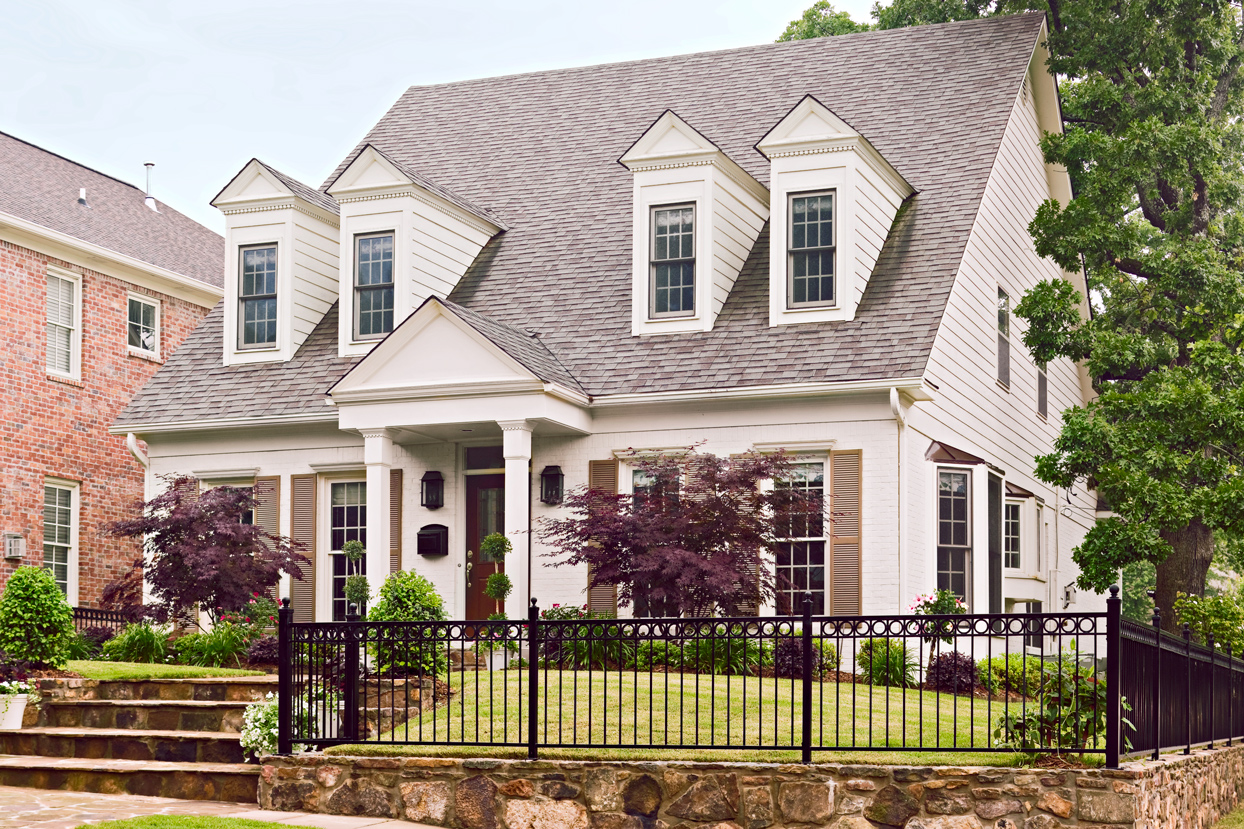
OK, it’s no spoiler that these homes are named after the quintessential New England vacation destination—Cape Cod in Massachusetts—where they first became prevalent. Much like the Puritans of old, Cape Cods are modest and economical. This makes sense, since Colonial settlers in the Northeast modeled their newly built homes after British cottages. These homes have steep roofs that reach the first floor (to quickly shed rain and snow) and second-story dormers (a window that projects vertically from a sloping roof). Fun fact: Original Capes used unfinished cedar shingles, which are ideal to weather the stormy and unforgiving East Coast winters.


Colonial


A Colonial is an OCD fever dream come true: It’s symmetrical and features an entry door in the middle of the front of the home with two windows on either side; there are five windows on the second floor, with one directly above the entry door. Colonials, which originally rose in popularity in the oh-so-uniform 1700s, are still common around the U.S. They’re usually built of wood or brick, which are perfectly suited to the simple, clean, and boxy style. If you see a hint of ancient Greece and Rome in the style, you aren’t wrong. Looking for distinctive flourishes? Keep looking.


Victorian

Did you spend hours with your dollhouse as a kid? Were your parents, teachers, and various health care providers worried? Then the detail-packed Victorian style will probably look familiar. Key features include a complicated, asymmetrical shape with wings and bays in various directions; elaborate trim; shingles or patterned masonry; steep rooflines; and a large, wraparound porch. They are often painted in bright, complementary colors to highlight the painstaking details. Some people are put off by their aggressive whimsy, but plenty consider them perfect houses to grow old in and sip lemonade on the porch.


Tudor 

Love yourself some neutrals or Jonathan Rhys Meyers? Then you’re probably drawn to Tudors, which are built of brick or stone on the first level and complementary stucco and timbering on the second—all of which is inspired by the medieval architecture of Tudor England in the early 16th century. These babies are made to withstand the elements, with deeply pitched roofs and detailed, covered entryways, which is why you’ll see more of them in the chilly northeast.


Ranch


Blame (or credit, depending on how you feel about this style) the rise of the automobile, not cowboys, for ranch houses. Cars made it possible for families to buy large lots of land outside traditional metropolitan centers—aka “the suburbs”—so people built spread-out ranch houses to take advantage of these new spaces. These homes are one story and often have an L- or U-shaped floor plan surrounding a patio, sliding glass doors, and a carport or garage. Quite possibly the best-known symbol of American housing, the ranch can conjure up images both good and evil, but no doubt you will see lots of them


Bungalow

These adorable one-story homes are characterized by their low pitched roof and large front porch. Also called Craftsman's, they rose in popularity in the early 1900s during the arts and crafts period and were revered for their—you guessed it—handcrafted details: hand-cut wood, iron and copper work, and masonry. Bungalows hit their peak during this time and became so popular in the early part of the past century, that you could order a complete kit from Sears.


Spanish


You find a lot of these homes in the South or Southwest (Hollywood is full of them). One reason for their popularity: They’re built from the ground up to take the heat. Clay tile roofs keep the home cool during the hot summer months and extend beyond the walls to provide extra shade, while extensive outdoor living areas, columns, and arched windows and openings take advantage of the breeze.


Mid-Century Modern

If you squint just enough, Mid-Century Modern homes (sometimes just called “modern,” though the century in question is the 20th) can look a bit like your grade-schooler’s art project. Full of sharp angles and void of ornamentation, these contemporary homes offer flat or shallow-pitched roofs and loads of glass. They often incorporate the surrounding outdoor space via decks and balconies. While they started sprouting up in the 1950s, the timeless aesthetic has turned these sleek, stripped-down houses into classics.


French Country

Is that a Nicholas Sparks movie we feel coming on? No, it’s just the French Country style that’s inspired by the rustic manors that dotted the fields of northern and southern France during the reign of Louis XIV in the mid-1600s. The Revival style popped up in the 1920s and 1960s. The homes have a square, symmetrical shape with windows (often double windows and/or balconies) balanced on either side of the entrance and a steep hipped roof. They are most often made of stone, stucco, and brick.


By Maureen Dempsey Source: Realtor.com

https://www.realtor.com/advice/buy/most-popular-architecture-styles/

Posted in Buying a Home
Aug. 1, 2022

The Top Mistakes You Want to Avoid if You Want to Master Painting Kitchen Cabinets

Chances are you've spotted painted kitchen cabinets on Instagram or Pinterest and thought of recreating the striking look in your own space. However, it’s easier said than done, since there are a slew of painted kitchen cabinet mistakes to consider before you even think of grabbing your paint brush. From cleaning the wood thoroughly to sanding surfaces, there's no way around handling the prep work that's needed to ensure a smooth paint job without any brush marks. Plus, once you’re finally done painting your cabinets, you need to give them at least a few days to dry to make sure your hard work remains intact. In other words, it’s an involved process.

In an effort to make painting your kitchen cabinets a breeze, we checked in with Nicole Gibbons, founder of the paint brand Clare, for her best tips and tricks. For starters, Nicole says it pays to go bold with color rather than just settling for white. "While white paint can create a clean feeling in a kitchen, there are plenty of opportunities to add more colors that go beyond the basic," she says. "And remember that upper and lower cabinets don’t need to match. For a lighter, airier feeling, you can go white or neutral on your uppers and opt for a bolder choice on the bottom."

Ready to learn how to paint your kitchen cabinets? Keep reading for more top advice from Nicole as well as a few other paint experts. Before you know it, you’ll have a new kitchen to enjoy and show off to family and friends in no time.


Mistake 1: You overlook practicality.

Painted cabinets look lovely, but they aren't going to look totally smooth. "If the cabinets have a visible open grain, the grooves are going to show through the paint," warns Don Fahrbach, president of professional painting company PNP Craftsmen in New York City.


"Even if it wasn't super obvious when the wood was just stained, it's going to be more evident once the paint dries." You can fill the grain with putty, but that can be time-intensive and challenging to get just right.


Mistake 2. You don't carve out enough time.

"This isn't a lazy Sunday project," says Sherry Petersik, who, along with her husband, chronicled kitchen painting projects on her popular blog Young House Love. She says people often think it's a weekend job, but it takes at least four to seven days when you build in the proper prep time (and snack breaks, of course).


Mistake 3. You don't use painter's tape.

"You’ll need to protect and tape off any areas you don’t want to paint such as your countertops or the inside of your cabinets (if you don’t want the inside painted) using painter's tape or drop cloths," Gibbons says. You can also use newspaper to protect the insides of your cabinets.


Mistake 4. You didn't use the right tools.

"If you’re seasoned and know how to use an airless paint sprayer, this is the best option for cabinets because you can get beautiful, even coverage," Gibbons says. She suggests using a two-inch angle brush for cutting into the inside corners and crevices of your cabinets and a roller for the flat surface areas. Be sure to pick the right paint roller nap as well, Gibbons advises. "A traditional woven roller will create too much texturing in your finish, so opt for a finer material such as a microfiber option to ensure an ultra-smooth finish," she says. A mini-sized roller that’s around 4.5” wide is best for a smaller surface area like a cabinet.


Mistake 5: You skip cleaning the wood before beginning to paint.

"No matter how clean you think your kitchen is, you need to wipe everything down with a grease remover," says Fahrbach. Otherwise, when you add a water-based paint to an oil-covered door, the paint won't stick. He recommends a paint-prep degreaser called TSP, and a non-scratch delicate scrub sponge for stuck on spots.


Mistake 6: You keep the drawers and doors in place.

This is a crucial first step: Take all the doors off, pull the drawers out and remove the hardware knobs and hinges. Some people try to save time by painting everything — hinges and all — while they're still in place, but Petersik warns that it's not a long-term fix


"Your cabinets and hardware will start to chip and show signs of wear within a month — or even immediately." Once the paint on the hinges starts to crack, all you can do is sand everything down and soak the hardware to remove the paint, so save yourself the aggravation.


Mistake 7: You don't label the position of drawers, doors and hardware.

Because what once was hung up will need to go back in the same place, it's worth using numbered labels to help you remember where everything goes. A piece of masking tape stuck to the back of each piece will do just fine. You should write its exact location (think “above sink, left”) so there’ll be no guessing where it goes later. Then stash screws and hinges in a jar for safekeeping.


Mistake 8: You didn't sand the cabinets.

Even if your hardwood cabinets are in near-perfect condition, you still have to sand them down to the bare wood finish so the paint sticks, Gibbons says. She recommends sanding them lightly with 120-grit sandpaper or a sanding sponge. "But if your doors are engineered wood or MDF (medium-density fiberboard), you just want to sand lightly enough to rough up the surface for priming," she says.


Mistake 9: You left dust on your cabinets while painting.

Vacuum up any debris before you even think of dipping that brush in paint. Just a few pieces of dust can ruin the look: "You'll get a gritty finish and it'll look like you painted over sand," says Fahrbach. "To fix it, you'll have to sand it and repaint it all over again."


Mistake 10: You didn't bother elevating cabinets before painting.

If you don't prop up your cabinets prior to painting, you risk missing edges and corners. Lay doors on painter’s pyramids so you can more easily maneuver a brush around the bottom edges.


Mistake 11: You skipped paint primer.

The last thing you want is for knots to show up on your cabinets weeks or months after you've painted them. The best way to prevent this is with primer. "Priming helps paint to adhere to surfaces and is a critical step if you’re painting cabinets," Gibbons says. Consider Clare’s fast-drying, multi-surface paint primer that can help conceal any imperfections and even block stains.


Mistake 12: You didn't paint the surface of your cabinets in the right order.

Don't just jump right in: Gibbons suggests painting the insides of your cabinets first then tackling the doors. Doors typically require a good amount of time, because you need to paint both sides and let them fully dry in between coats. You can begin with the back side of your cabinet doors. Apply one coat, wait 24 hours and then move on to your second coat of paint. After 24 hours, flip the doors over and paint the first coat on your front-facing side. Wait 24 hours before painting the second coat.


Mistake 13: You chose the wrong paint color.

Of course, there's no right or wrong color for your own kitchen. But for cabinets, it's important you get it right the first time. "This project is easy, but it's not the kind of job you're going to want to redo any time soon if you don't like the color," says Petersik.


She suggests painting a big poster board with a tester can in the color you're considering (you can usually get a small one for just $5). "Hang it up next to your backsplash and your appliances and make sure that's really the color you want." If you're stuck on where to start, check out color paint trends for inspiration!


Step 14: You didn't use the best paint brand.

You can choose from a slew of paint brands ranging from Clare to a Good Housekeeping Institute favorite, Benjamin Moore Advance, which has a smooth finish that's kitchen-friendly. While it may be a bit more than some other paints on the shelf, it's worth it. Gibbons also likes to use a satin polyurethane top coat for durability. It helps your paint dry to a very hard, enamel-like finish.


And you likely won't be using more than two gallons of paint, so costs won't be as prohibitive as if you were painting an entire room.


Worried about visible brush marks? Virginia at Live Love DIY follows her brush strokes with a foam roller to smooth things out. And a more experienced DIYer might like the finish provided by a spray gun (like Jenny at Little Green Notebook uses), but it's a bit more unwieldy than a brush.


Mistake 15: You put the cabinets back too quickly.

Yes, it's frustrating to wait days for paint to cure. But if you accidentally smudge the paint, you have to sand the door and repaint it (a hard truth any woman who's rushed to leave the nail salon surely understands). It's worth the wait though. "Painting cabinets can be tedious, but if you take your time to do it the right way, you’ll be so happy with the results," Gibbons says.


By: Monique Valeris Source: Good Housekeeping https://www.goodhousekeeping.com/home/renovation/tips/a31753/painting-cabinet-mistakes/

July 18, 2022

Oops! My 4 Biggest Regrets Building Our Dream House From the Ground Up


The idea of building your own home is a bucket-list dream for many of us. Imagine: You get to customize it to your needs and tastes—whether that means a classic rocking-chair porch out front or a hot tub in back—and watch your personal palace take shape, right in front of your eyes.

But it’s also a really, really daunting experience. It’s one of the hugest undertakings you can slide onto your plate, and is it ever complicated! So many details, and plenty that can go wrong. I know this from personal experience.

When my husband and I built our house in 2014, we made a bunch of mistakes. Some big ones. And I’m going to put them all out there for public inspection.

1. Not working with a licensed architect

One of the best parts of building your own home is considering all the possibilities.

My husband and I went through tons of house-plan catalogs. We looked online. We did some simple sketches ourselves, trying to capture the flow of rooms and the details that would create our forever home.

Finally, we realized that we needed an architect to translate our ideas into a house plan that made sense. Then reality set in: This kind of service could be very expensive! So when a friend referred us to an “aspiring” architect, we thought it would be a great way to save money.

We met with the architect wannabe and shared all our ideas. He then input all this information into a computer program, which we assumed was a reliable, professional tool, and (drum-roll, please!) printed out floor plans for our review, which we tweaked for a few weeks.

We thought this joint venture had gone well and that we now had a solid plan.

That belief lasted until construction started. Then, the floor plans proved to be lacking some major must-haves for building a house, like electrical and plumbing diagrams.

Also (and it pains me to remember this), some of the spaces literally didn’t line up when the different floor plans were put together.

For instance, the floor plan for the main level of the house showed a single staircase, going straight down to the basement. When you looked at the plan for the basement, however, the staircase took a U-turn!

Fixing these kinds of errors cost us time and money, and triggered all kinds of stress.

Lesson learned: Go pro. If you want to design your own floor plans, collaborate with a reputable, licensed architect with a great track record of residential projects.

2. Doing business with friends

My husband grew up in the small town where we live, which means that he seems to know everyone. We thought we’d save money by having his friends in the local home-building industry do the work for us. My husband had seen some of his pals’ work firsthand. He was impressed, and he trusted these people.

However, when it came to constructing our home, the situation shifted, and fast. If his friends in construction didn’t do something the way we asked them to, my husband was reluctant to ask them to correct it.

Given their long-standing connection, he didn’t want to sound as if he was criticizing their work. So we hung back, which meant we didn’t get some dream-house details we wanted and which created ongoing issues with our home that continue to cost money to this day.

Lesson learned: If you plan to work with friends or family members on building your own home, set expectations way upfront. Make it clear that you don’t want there to be any hard feelings if you butt heads. Or simply heed the old saying, “Never do business with friends.”

3. Adding upgrades you don’t really need

During the build, my husband’s friend aired a slew of ideas that he said would “add value” to the home, such as digging out an extra 400 square feet in the basement. He felt we would be grateful to have this room to grow into.

You know where this is going, right? We didn’t need the bonus space then, and we still don’t need it—after 17 years. There’s no indication we’ll ever recover the costs we paid for this “added value.”

Another suggestion came from our building supplier: Instead of standard doors leading from the back porch and basement to the yard, he sold us on French doors.

They sounded pretty, and they are pretty, but what we didn’t know is that they require a lot more effort to unlock and open. As we approach 20 years in our house, we still struggle with the locking mechanism on the doors, and to be honest, most of our friends and family can barely get the doors to open.

Lesson learned: Trust your gut. Just because a friend or professional suggests something that sounds cool, it doesn’t mean it’s right for you. Do your homework before you make a decision, and stand your ground if it doesn’t appeal to you.

4. Not understanding construction insurance

It’s a no-brainer that you’ll get homeowner insurance to protect your home and personal belongings once you’ve moved in. But who knew you actually need insurance on your home build while it’s under construction? Commonly called builder’s risk insurance, these policies provide coverage in the event of theft, vandalism, or natural disaster.

Yes, it is a given that contractors carry insurance to protect against theft or damage to their own tools, as well as liability in the event that a worker gets injured. The problem is, their policies don’t always cover damage or theft of things that you own, which can be a huge loophole.

In our case, we had new appliances delivered to our home site, awaiting installation. Then, one night, they were stolen, along with the bathroom and lighting fixtures. The thieves drove off with anything they could return to a big-box store for a refund. Ouch!

We were gutted. No one had told us that this could happen. Thankfully, we did have a builder’s risk insurance policy, and were able to recoup the funds needed to replace the stolen items. Phew.

Lesson learned: It’s essential to discuss insurance coverage with all your contractors, to know what they have in place.

Don’t be afraid to ask for copies of their insurance declarations page to confirm that they have coverage. Then speak with your insurance agent to find out what builder’s risk insurance coverage you may need to cover any gaps. Your construction-loan lender may well require you to take out a policy.

Materials that are left inside and out during home construction can catch the eyes of thieves.

Despite these issues, building our home from the ground up was a dream come true for my husband and me. Sure, we made mistakes, but we love this house. It’s a reflection of who we are, down to the very last, hand-selected doorknob.

By Karon Warren Source: Realtor.com https://www.realtor.com/advice/buy/my-biggest-regrets-building-our-dream-house-from-ground-up/


July 4, 2022

Happy 4th of July!

From all of us here at Full Circle Real Estate Group, we wish you a safe and joyous 4th of July! 

Posted in Community News
June 20, 2022

A Homeowner’s Guide to HOAs: Homeowners Associations, Explained

Many homes across the United States are part of an HOA, or homeowners association. So what does that mean?

In a nutshell, an HOA helps ensure that your community looks its best and functions smoothly. If you’re buying a condo, townhouse, or free-standing home in a neighborhood with shared common areas and amenities (such as swimming pools, parking garages, and security gates), odds are high these areas are maintained by a homeowners association.

The number of Americans living in homes with HOAs is on the rise, growing from a mere 1% in 1970 to 25% today, according to the Foundation for Community Association Research.

Is buying a home with an HOA right for you? We’ll help you decide by laying out the pros, cons, and costs of an HOA.

What is a homeowners association?

Let’s say, for instance, that the pump in the community swimming pool stops working. Someone has to take care of it before the water turns green and toxic, right? Rather than expect any one homeowner in the neighborhood to volunteer his time and money to fix the problem, homeowners associations are responsible for getting the job done.

You can think of the purpose of an HOA as similar to real estate property taxes that a homeowner pays for city and state services—except that in this case, these fees go to pay for amenities and maintenance in your own community or condo building.

How much are HOA fees?

To cover these property maintenance expenses and repairs, homeowners associations collect fees or dues (monthly or yearly) from all community members. For a typical single-family home, HOA fees will cost homeowners around $200 to $300 per month.

HOA fees can be lower or much higher depending on the size of your house or condominium and the services provided. The larger the homeowner area, the higher the HOA fee—which makes sense, because the family of four homeowners in a three-bedroom condominium is probably going to be using the common facilities more than a single resident living in a studio condo.

Many HOAs pay property managers to oversee maintenance and deal with other real estate–related property issues. HOA fees might also include insurance payments to cover common areas.

HOA fees are usually divided into two parts: One portion goes toward monthly expenses, and the remaining money goes into a reserve fund. This reserve fund serves as a safety net, to be tapped for emergency expenses that arise when natural disasters or vandals strike—or just the unavoidable wear and tear. They’re also used to cover long-term repairs and replacements such as roofs, plumbing, and exterior paint.

What is an assessment?

Be aware that when your community is hit with extreme maintenance expenses—like a flood in the underground parking lot due to a broken water heater or a pipe bursting—homeowner insurance will cover some of it, but whatever’s left will have to be paid by your HOA.

Typically in these cases, the HOA will tap the reserve fund, which may become depleted as a result. Or the association may not have enough in reserve to cover necessary expenses. In either case, your HOA board may require you and your fellow homeowners in the community to pay a special assessment bill above and beyond your monthly HOA fee.

For example, if the elevator in your condo building goes out and it’s going to cost $15,000 to replace it—but the HOA reserve account holds only $12,000—you and the rest of the residents are going to have to pony up at least an additional $3,000 in dues, divided among you, to make up the difference. And yes, you as a resident still have to contribute your share of dues, even if your property is on the first floor.

Luckily, though, these assessments are typically temporary until the reserve is back up to a comfortable level.

HOA rules: What to expect

All HOAs have boards made up of homeowners in the complex who are typically elected by all homeowners. These board members will set up regular meetings where owners can gather and discuss major decisions and issues with their community. For major expenditures, all members of the HOA usually vote, not just members of the board.

In addition to management of the common areas, homeowners associations are also responsible for seeing that its community members follow certain rules and restrictions. These rules will be spelled out in the covenants, conditions, and restrictions, or CC&Rs.

What are CC&Rs? Common restrictive covenants

Simply put, CC&Rs are just the rules you’ll have to follow if you live in that community. Unlike zoning regulations, which are government-imposed requirements on how land can be used, restrictive covenants are established by HOAs to maintain the attractiveness and value of the property.

Restrictive covenants differ from community to community, but there are some you can expect to see:

  • Permissible colors for exterior house paint

  • Minimum property and landscaping standards

  • Types of fencing allowed

  • Types of window treatments allowed

  • Limitations on the type of security lights you can attach to the house

  • Controls on installing sporting equipment such as a basketball hoop in the driveway

  • Restrictions that limit vehicle storage or recreational vehicle parking

  • Curbs on property uses that generate noise or smells (e.g., raising livestock)

  • Rules on commercial or business uses of land reserved for residences


When to review your CC&Rs

After your offer to buy a home is accepted, you are legally entitled to receive and review the community’s CC&Rs over a certain number of days (typically between three and 10). Warning: Some CC&Rs can be hundreds of pages, but given these are the laws you’ll have to abide by, this is required reading that you skip at your own peril.

If you spot anything in the restrictive covenants you absolutely can’t live with, you can bring it up with the HOA board or just back out of your contract completely (and keep your deposit). It may seem extreme, but if this is the place you hope to call home, living with rules that seriously cramp your style may just not be worth the trouble.

Can you change restrictive covenants?

Restrictive covenants, however, aren’t set in stone. They can be contested and changed with a majority vote of the shareholders, aka neighbors in your development. This can work for or against you depending on where you stand.

Bruce Ailion, a real estate agent and attorney for Re/Max Town and Country in Atlanta, says he has seen neighborhoods tighten regulations by issuing fines for cars parked in the streets, bicycles left outside the garage, nonstandard mailboxes, and other potentially petty problems.

“Yes, restrictive covenants keep the appearance of the property up and can prevent eyesores such as wrecked cars, unkempt lawns, and oddball home colors,” Ailion says. But he admits there are times when CC&Rs can be so restrictive that they start infringing on the rights of their residents.

But even in that case, there are things you can do. In January 2016, for instance, when an HOA in Keizer, OR, wouldn’t allow a family to park their RV in their driveway—a necessity for their disabled child—the family fought back with a lawsuit, arguing that the Fair Housing Act requires HOAs to make “reasonable accommodations” for people with disabilities.

The bottom line: Restrictive covenants are meant to protect residents, but they can be changed if they’re out of line.

What happens if you violate HOA rules or can’t pay your HOA fees?

First off, rest assured that most lending institutions take the HOA fee into consideration when they write up your mortgage. In other words, they evaluate your monthly income compared with your monthly expenses, and they won’t make a loan on the desired property unless they feel you can safely cover everything: your mortgage payment, taxes, and HOA fees.

But life happens. If you lose your job or are unable to pay your HOA fees, you might be able to work something out with the HOA board. Be sure to talk to the board before you miss even one payment.

If you break your HOA’s rules, the consequences could be severe, and potentially, HOA management could evict you from your property. Fall too far behind on paying HOA fees, and the penalty could be the same as if you fail to make your mortgage payments.

Bob Tankel, a Florida attorney specializing in HOA law, says the board may have the right to foreclose on your property.

Pros and cons of an HOA

Home shoppers weigh a laundry list of factors before purchasing a home. Location, price, size, and style are all taken into consideration. But for some, a home in a community with a homeowners association could either sweeten the pot or be a major deal breaker.

“I have had clients who specifically want this type of situation, and others who refuse to buy in a community that has one,” says Bill Golden, an independent real estate agent with Re/Max Metro Atlanta Cityside.

Want to know what makes buyers swing one way or the other? The following insights will illustrate the best and worst qualities of HOAs and help you decide if living in this type of community is right for you.

Pro: HOAs maintain common areas

Your community’s HOA will be responsible for handling all maintenance of common areas and repairs for the amenities outside your home. It’s perhaps the biggest perk of living in an HOA community.

“Based on maintenance fees collected, an organized HOA maintains a comfortable balance in their fund to offset maintenance costs or unexpected issues that need to be fixed,” says Drew Scott of HGTV’s “Property Brothers” and co-founder of Scott Brothers Global.

An HOA’s level of involvement varies and might depend on the type and size of the community.

“The HOA will take care of the common areas like the pool, clubhouse, walking paths, or other amenities that provide value to the residents,” says Mark Ferguson, a Greeley, CO–based real estate agent and investor.

Sure, homeowners already taking on a mortgage may hate coughing up more money for HOA dues. But they actually let you off the hook for a ton of home maintenance work. So before you start kvetching, consider all that HOA fees can do for you.

Pro: HOAs help keep uniformity

Each HOA has its own declaration of covenants, conditions, and restrictions, or CC&Rs, which explain what homeowners can and cannot do—this includes streamlining the appearance of each property.

“Your neighbors can’t paint their house bright purple or put an unsightly addition on the front of their house,” Golden says. The CC&Rs make sure “the community retains the look and feel of the way it was built.”

Other common no-nos are parking vehicles on the lawn or keeping inoperable vehicles in the driveway.

“You won’t have to worry about that one neighbor that has decided to let his front yard grow into a wild jungle,” says Golden.

Pro: HOAs help homes retain their value

“Ultimately, the HOA helps the homes within the neighborhood retain their value,” explains Patrick Garrett, real estate broker at H&H Realty in Trussville, AL. “When there are rules and guidelines governing how homeowners should keep their property’s appearance, it helps keep the neighborhood looking desirable for the consumers perusing the neighborhood in search of a new home.”

Pro: HOAs mediate problems on your behalf

An HOA can also reduce conflicts and unpleasant exchanges. If your neighbors haven’t cut their lawn in several weeks, or decide to turn their driveway into an auto repair shop, you don’t have to confront them, because the HOA will. When anyone is engaged in activity that violates the CC&Rs, the HOA sends a friendly notice and follows up with a stern warning.

“A reasonable HOA is like heaven,” says Ailion. Several years ago, he represented a builder of family homes that were sold to investors; with no restrictive covenants in place, the community looked terrible two years later. By contrast, a nearby community that had instituted an HOA to oversee lawn care and home exteriors was thriving.

“Those properties looked like new, and year after year, the gap in price between the two communities has grown,” he says.

But HOAs come with some distinct downsides, too:

Con: Those pesky HOA fees

If you move into an area with an HOA, membership is mandatory, and so are the monthly or annual fees. Plus, “the fees can change, based on decisions that you don’t have total control over,” Golden says. “Fees can also be a detriment to resale, if potential buyers don’t want that extra cost in addition to their house payment.”

Con: There’s a lot of red tape

Building that new second-floor addition will be especially difficult in an HOA community.

Any exterior modification—even a minor one like a play area for your kids—has to be approved by the HOA.

You must submit plans describing the height, colors, location, shape, and materials to the HOA board for approval.

“This can really slow down the process or limit the type of work you can do,” Scott says.

Ferguson says the approval process can be downright unreasonable.

“It once took my HOA nine months to approve a basketball hoop that had already been approved by them for the previous owners,” he says.

Con: HOAs can be overbearing

Remember those CC&Rs? While they come in handy for preventing rowdy college students from moving in, they also might be off-putting for homeowners who like their autonomy.

“Many folks believe that buying your own home should give you the freedom to make the changes you want to make and express your own individuality,” Golden explains. “They don’t want decisions about their own home made by a committee.”

HOA-mandated restrictions can be set on swimming pools (e.g., in-ground swimming pools can be built in the back of the house, but above-ground pools are prohibited), pets (e.g., they are allowed, but they can’t be bred or kept for commercial reasons; livestock or poultry are not allowed without permission), and rentals (e.g., you might be prohibited from renting out rooms or the entire home).

In extreme situations, some HOAs can evict the tenant and hold the homeowner responsible for any eviction costs or any damage caused by the tenant.


Just keep in mind that an HOA’s goal is not to meddle; it’s merely to maintain a neighborhood aesthetic. However, if you don’t like being told what to do with your home, living under the bylaws and rules of an association may not be for you. Make sure to read your CC&Rs carefully and weigh the pros and cons of any particular HOA before you buy.

By Terri Williams Source: Realtor.com

https://www.realtor.com/advice/buy/homeowners-guide-to-hoas-homeowners-associations/


Posted in Buying a Home
June 6, 2022

The House Is Not for Sale—Can You Still Offer to Buy It?

There’s no “For Sale” sign on the front lawn and no listing online, so it’s safe to say that the adorable home that caught your eye is not for sale. Still, you can’t help but fantasize about owning it one day. It’s not technically on the market, but that doesn’t mean you can’t at least try to buy it. The worst the owners can say is no, right?

You can offer to buy a house that’s not for sale, but prepare yourself for rejection—or perhaps the owner asking for more than the estimated value of the home. But nothing’s stopping you from trying.

“If the seller has not been thinking about selling, they may want more than the market will bear just because … or they may not want to sell at all,” says Lana Lavenbarg, a Realtor® with Re/Max Ideal Brokers in Grants Pass, OR. “The best approach is to ask.”

How to put an offer on a house that’s not for sale

First, you should try to figure out why a property isn’t on the market; this will help you tailor your offer to the situation.

For example, if a property was previously listed, but the listing has expired or was withdrawn, it might mean that the owner was unhappy with the listing agent or the market’s response, or that the owner’s plans had changed. In this case, the owner might be more open to offers. You can either approach the owner directly or hire a real estate agent to approach the owner for you.

If a property is vacant, however, you or your real estate agent might need to do more legwork to track down the owner and determine if the property can even be sold. The home might be foreclosed on, condemned, or awaiting litigation—all situations that would affect whether or not the house could even be sold.

But if you have determined that a blind offer could sway the homeowners, think twice before directly approaching them with a cold letter.

“Most letters that are mailed are ignored,” says Kathryn Bishop, a Realtor with Keller Williams Realty in Studio City, CA. “You are competing with all of the ‘we’ll buy your ugly house’ letter campaigns that sellers throw away.”

Instead, she recommends you ask your real estate agent to present a specialized offer in writing with a letter explaining why you want to buy their house.

Of course, making an offer on a house you’ve seen only from the street means you could be missing crucial repairs that must be made. Perhaps the home needs a new roof or the downstairs bathroom has a nasty case of black mold that needs to be eradicated. The biggest risk is offering too much money for a house that has serious issues.

“When making an offer on an unlisted house, I always recommend that the buyer include an appraisal contingency,” says Bishop.

Be ready for rejection

Everything has its price, but when it comes to homes and people’s sentimental ties to them, sometimes money can’t compete. For some, no amount of money will be enough to hand over the keys to their property.

Bruce Ailion, a real estate agent and attorney with Re/Max Town and Country in Atlanta, was representing a buyer who had his eye on a piece of land and gave Ailion all the ammunition to go get the land, but the owner couldn’t be swayed.

“He had me deliver a contract without a price and blank check, subject to due diligence,” Ailion says. “That was rejected.”

So when you make an offer on a house that’s not for sale, do so with confidence but prepare yourself for the homeowner to say no.

If there’s a property you want that’s not on the market, it doesn’t hurt to go after it. After all, you’ll never know if you never try.

By Julie Ryan Evans Source: Realtor.com 

https://www.realtor.com/advice/buy/can-we-offer-to-buy-a-house-that-is-not-listed/


Posted in Buying a Home